
Introduction
We all love that showroom shine, but here’s the thing — your car’s paint isn’t just there to look good. It’s actually the first line of defense for the metal underneath it.
The problem is, that layer takes a beating every single day without you even noticing. The sun beating down, a bird deciding your windshield is a target, sap dripping from the tree you parked under, salt from the road (or the sea, if you’re near the coast), dust storms, even rain — all of it is quietly working against your paint job.
None of these things look dangerous on their own. A little bird poop, a few dust particles — who cares, right? But leave them sitting there long enough and you’re looking at fading, ugly stains, etched clear coat, scratches, and a finish that’s lost its spark. And once that happens, you’re not talking about a quick wash anymore — you’re talking about a repair bill.
UV Rays & Sun Exposure
It’s easy to forget about the sun as a threat — it’s just always there, doing its thing quietly in the background. But that constant exposure adds up. Day by day, UV rays strip the color out of your paint and chip away at the clear coat that’s supposed to be protecting it.
What helps: Park under cover when you can, invest in a good car cover, or go a step further with paint protection film (PPF) or a ceramic coating.
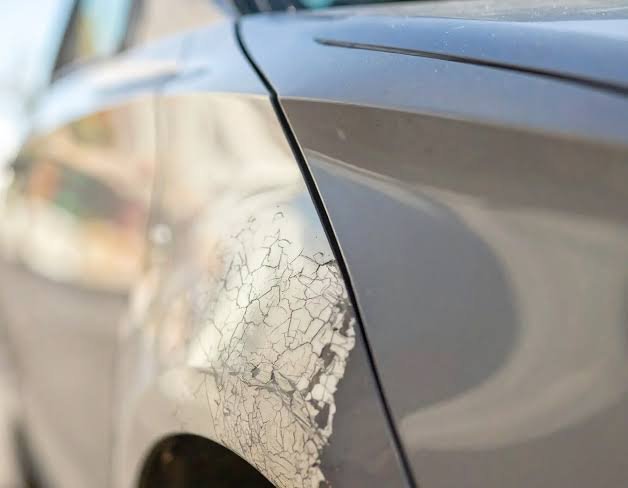
BIRD DROPPINGS
Small, gross, and more dangerous than people think. Bird droppings are acidic, and if left on the paint — especially under a hot sun — they can eat right into the clear coat.
What helps: Don’t wait. Wipe it off with a damp microfiber cloth and a proper car-cleaning solution as soon as you spot it.
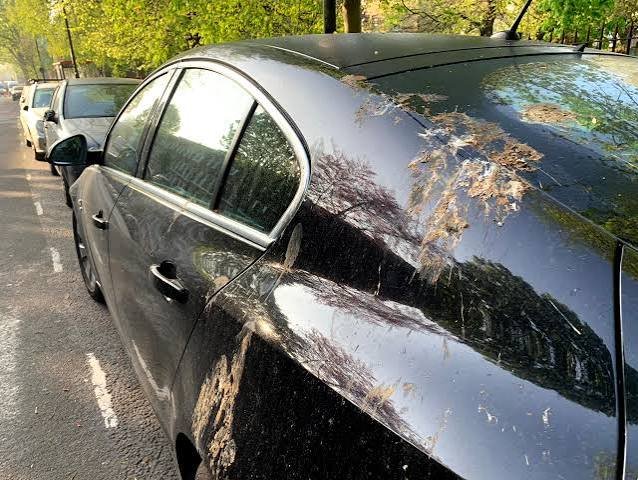
TREE SAP
That “pretty” spot under a shady tree? It comes with a price. Sap drips, hardens, and bonds to your paint, and once it’s dry, it can leave behind stains and etching that are a pain to remove.
What helps: Deal with it quickly, and if you can, avoid parking under trees for long stretches.
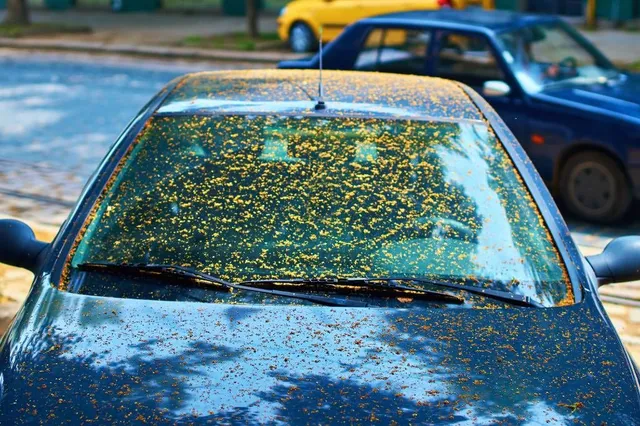
ROAD SALT AND SALT WATER
If you’re anywhere near the coast, or your roads get salted in winter, this one’s for you. Salt speeds up corrosion, especially anywhere the paint is already chipped or the metal underneath is exposed.
What helps: Wash your car more often, particularly after any exposure to salt water or salted roads.
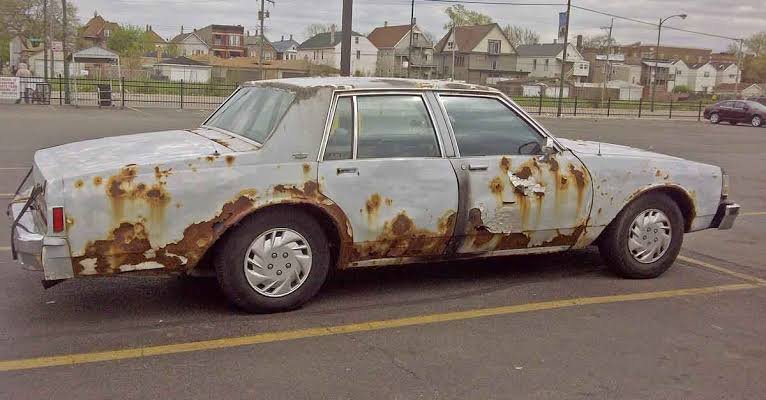
DUST AND SAND
Dust seems harmless — until you wipe it off dry. Those tiny particles act like sandpaper, and dry wiping drags them across your paint, leaving behind swirl marks and micro-scratches you’ll notice the moment sunlight hits the car.
What helps: Always rinse first, then use proper microfiber washing techniques instead of a dry cloth.
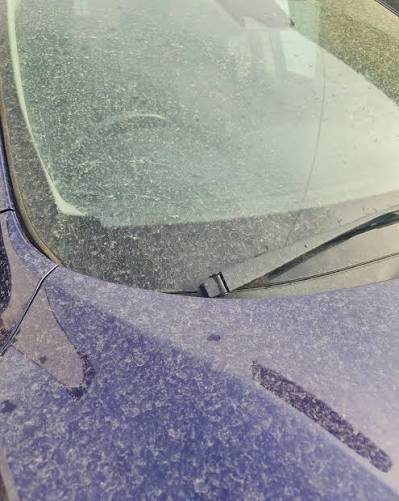
ACID RAIN AND INDUSTRIAL POLLUTION
Living in a city takes a toll on your car that most people don’t think about. It’s not just the dust and road grime — acid rain and industrial pollutants carry fine particles that land on your paint and quietly go to work on it. Left alone long enough, they can actually eat into the clear coat, leaving behind etch marks, dull patches, or discoloration that no amount of washing will fix once it’s set in.
How to Protect Your Car's Paint for the Long Run
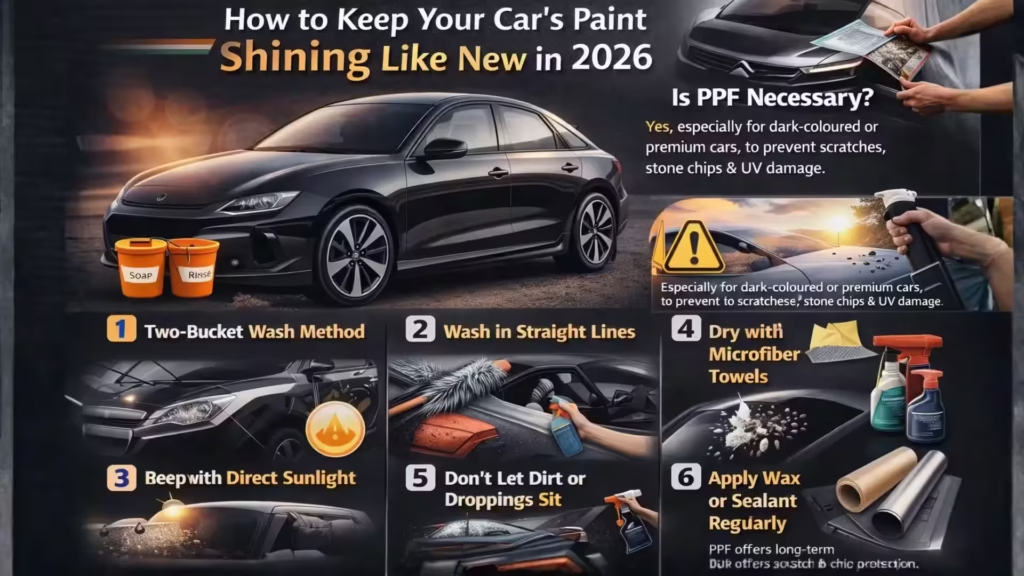
- Wash it regularly. Even if your car looks fine, dust and grime sitting on the surface are quietly wearing down the clear coat over time — you just can’t see it happening until the damage is done.
- Stick to a pH-neutral car shampoo — regular detergents strip away the protective layers your paint needs.
- Never wipe dry — always rinse first. Wiping off dust without rinsing is like dragging fine sandpaper across your paint.
- Use clean microfiber towels — rough or dirty cloths are a common cause of those swirl marks you notice in sunlight.
- Park in the shade when you can. Direct sun isn’t just annoying to sit in — it speeds up fading and oxidation on your paint over time too.
- Don’t let bird droppings or sap sit. They’re acidic, and if you leave them baking in the heat, they can actually eat into your clear coat.
- Look into ceramic coating or PPF if you want extra protection. Ceramic gives you that glossy, UV-resistant finish, while PPF is more about shielding the paint from chips and scratches.
- Do a quick walk-around every so often. Catching small issues early is a lot cheaper than dealing with them once they’ve turned into real problems.
CONCLUSION
Your car’s paint is under attack more often than you’d think — from UV rays and bird droppings to tree sap, road grime, and polluted air. None of it looks like a big deal in the moment, but ignored long enough, it adds up to fading, stains, scratches, and a clear coat that’s lost its edge.
The good news? Staying ahead of it isn’t complicated. Regular washes, quick clean-ups, smart parking choices, and a little wax or sealant go a long way. If you want to go the extra mile, ceramic coating or PPF gives your car serious long-term armor.
A little care now saves you a much bigger headache — and a much bigger bill — later. Don’t wait for the damage to show before you start protecting your paint.